
Membranes
Electroplating System in Water Treatment
Learn about the electroplating process, system components, and the role of water treatment in the electroplating industry. An efficient water treatment system is essential to the electroplating proces
Electroplating System in Water Treatment
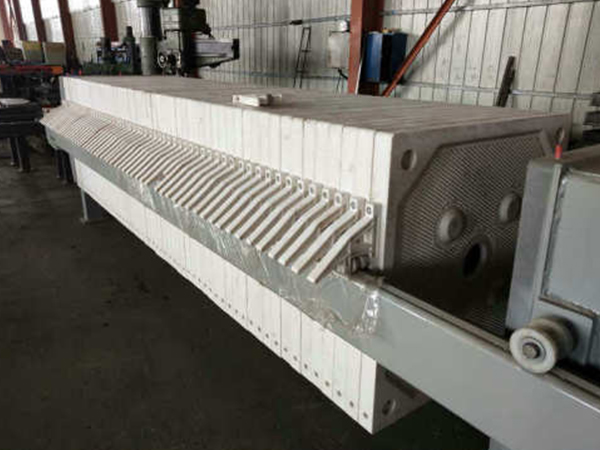 Electroplating is an electrochemical process used to coat a metal surface with a thin layer of another metal using an electric current. This technology is becoming a critical component in various metal manufacturing and processing industries, and has a close relationship with water treatment technology. An efficient water treatment system is essential for the success of the electroplating process and to ensure compliance with environmental regulations.
How Electroplating Works
Electroplating works on the principle of electrolysis. An electric current deposits a thin layer of metal on the surface of a conductor. This process happens in an electrochemical cell that consists of:
- Anode: Usually made of the metal to be deposited (such as copper, nickel, or chromium)
- Cathode: The object to be coated (substrate)
- Electrolyte: The liquid that contains the metal ions to be deposited.
- Direct current (DC) power source: Provides the electric current the process needs
When an electric current is passed through the electrolyte, positive metal ions from the anode are attracted to the negatively charged cathode. These ions then deposit on the surface of the cathode and form a thin, even layer of the metal.
Electroplating System Components
- Process tank: Container for the electroplating bath
- Water treatment system: Provides pure water for the process and treats waste water
- Filtration system: Removes contaminants from the plating bath. For plating-bath filtration, the Pentair C-155 carbon filter is made for this application.
- Heating/cooling system: Keeps the process at the right temperature
- Rectifier: Converts AC current to the DC the process needs
- Stirring system: Makes sure the ions are spread evenly in the bath
- Control and monitoring system: Regulates process parameters such as temperature, pH, and chemical concentration
Electroplating Applications
Electroplating is widely used in many industries to improve the surface properties, appearance, and function of metal products:
Automotive Industry
- Coating of bumpers, trims, and engine components
- Better corrosion resistance of parts
- Decorative coatings for interior and exterior components
Electronics Industry
- Coating of connectors and terminals to improve conductivity
- PCB (Printed Circuit Board) coating
- Coating of microelectronic components
Jewelry and Consumer Goods Industry
- Gold and silver plating on jewelry
- Decorative finishing on home appliances
- Anti-rust plating on hardware
Aerospace and Defense Industry
- Plating of aircraft engine components for corrosion resistance
- Specialty coatings for military applications
- Better wear resistance on parts that matter
Medical Industry
- Coating of surgical implants and equipment
- Antimicrobial coatings on medical equipment
- Finishing for diagnostic equipment
Water Treatment in Electroplating Industry
Water treatment is an important part of the electroplating process. The quality of the water used in the plating bath directly affects the quality of the coating produced. Also, the waste water from the electroplating process needs treatment so the plant meets environmental regulations.
Inlet Water Treatment
The water used in electroplating must be free of contaminants that can affect the coating quality. Inlet water treatment systems usually include:
- Initial filtration: Removes large particles and sediment(HydroPro Cartridge Filter)
- Water softening: Removes water hardness using ion exchange resin(Purolite Resin)
- Deionization: Removes all dissolved minerals to produce demineralized water(Dionix Deionization System)
- Reverse Osmosis: Removes almost all dissolved contaminants(DuPont Filmtec Membrane)
- UV disinfection: Removes microorganisms(HydroPro UV System)
Wastewater Treatment
Electroplating effluents contain heavy metals, cyanide and other contaminants that are harmful to the environment. Electroplating wastewater treatment systems usually include:
- Chemical treatment: Neutralization, precipitation, and oxidation of contaminants(Water Treatment Chemicals)
- Dosing pump system: Controls the addition of treatment chemicals(LMI Dosing Pump)
- Filtration: Removes suspended solids(Filtration Media)
- Activated carbon adsorption: Removes organic contaminants(Jacobi Activated Carbon)
- Ion exchange: Removes heavy metals(Trilite Resin)
- Membrane filtration: Further treatment of wastewater(Membrane Systems)
- Monitoring and control: Checks that discharge meets the standards(Create Monitoring Instruments)
Challenges in Water Treatment for Electroplating
The electroplating industry faces some specific challenges in water treatment:
- Regulatory compliance: Environmental regulations on the discharge of heavy metals and hazardous chemicals are getting stricter
- Water use efficiency: The need to reduce water consumption through recycling and reuse
- Hazardous waste management: Handling and disposal of waste containing hazardous and toxic materials
- Metal recovery: Extraction and recycling of valuable metals from electroplating waste
- Operational costs: Balancing the need for effective water treatment with affordable operational costs
Modern Water Treatment Technologies for Electroplating
Some of the latest water treatment technologies used in the electroplating industry include:
Zero Liquid Discharge (ZLD) System
ZLD systems aim to eliminate effluent discharge by recycling all process water. This technology combines several treatment processes, such as evaporation, crystallization and membrane filtration. It recovers water and concentrates the contaminants into solids that can be safely disposed of.
Electrocoagulation
This technology uses electrodes to produce coagulant in-situ. The coagulant helps remove heavy metals and other contaminants from electroplating wastewater without adding excessive external chemicals.
Selective Ion Exchange System
Specially designed ion exchange resins can selectively remove certain metals from wastewater. Therefore valuable metals can be recovered and the treatment is more efficient(Ion Exchange Systems).
Advanced Membrane Technology
Nanofiltration (NF), Ultrafiltration (UF) and Reverse Osmosis (RO) remove contaminants from electroplating wastewater. They also make in-process water reuse possible(Pentair Membranes).
Real-time Monitoring System
Sensors and control systems monitor water quality parameters in real time. This keeps the process in continuous compliance and lets you optimise it(HydroPro Instruments).
Benefits of an Effective Water Treatment System for Electroplating
- Improved product quality: High-quality water gives more consistent, high-quality electroplating coatings
- Regulatory compliance: Meets or exceeds environmental regulatory requirements
- Cost reduction: Lower water consumption, chemicals, and waste disposal costs
- Metal recovery: Valuable metals can be recovered from wastewater and reused
- Environmental sustainability: Reduces the environmental impact of electroplating operations
- Longer tank life: Less contamination of the electroplating bath, so the bath lasts longer
- Operational efficiency: Less downtime for maintenance and bath replacement
Electroplating Solutions from Water.co.id
Water.co.id supplies water treatment systems for the electroplating industry. We build each system for the specific needs of your operation, with a focus on quality, efficiency and environmental compliance.
We offer a complete solution that includes:
- Inlet water treatment system: Gives high-quality water for your electroplating process
- Waste water treatment system: Gives safe, regulatory compliant wastewater disposal
- Metal recovery systems: Valuable metals can be recovered and reused
- Monitoring and control systems: Keep process parameters at the right level and keep the plant in compliance
- Consulting and design services: We help you design the right water treatment system for your needs
Our featured products for electroplating applications are:
- Pentair C-155 Carbon Filter for Electroplating Baths
- Purolite Ion Exchange Resins for metal recovery and water treatment
- DuPont Filmtec membranes for high-quality water treatment
- Jacobi Filtration Media for contaminant removal
- LMI Dosing Pumps for precise chemical control
- Create Monitoring Instruments for real-time process control
Case Study: Water Treatment System Implementation for Electroplating Facility
One of our clients is a leading automotive component manufacturer in Indonesia. They had to meet increasingly stringent environmental regulations and also improve the quality of their electroplating products. The Water.co.id team designed and built an integrated water treatment system that included:
- Inlet water treatment system using DuPont Filmtec Reverse Osmosis and Dionix Deionization technology
- Wastewater treatment system with Purolite Selective Resin for metal recovery
- Real-time monitoring system using Create Instruments
The results of this implementation include:
- 60% reduction in water consumption
- 85% recovery of valuable metals from wastewater
- Improved quality of electroplating products by 40%
- Full compliance with environmental regulations
- Return on investment in less than 18 months
Related Products for Electroplating Solutions
These Water.co.id products are relevant for electroplating applications:
Inlet Water Treatment System
- HydroPro Filter Cartridge
- Purolite Ion Exchange Resin
- DuPont Filmtec RO Membrane
- HydroPro UV Disinfection System
- Codeline Pressure Vessel
Wastewater Treatment System
- Water Treatment Chemicals
- LMI Dosing Pump
- Jacobi Activated Carbon
- Trilite Ion Exchange Resin
- NovasorB Adsorption Media
Electroplating Bath Solution Filtration
- Pentair C-155 carbon filter for filtering the electroplating bath. Cartridge selection must still be checked against bath chemistry, temperature, flow rate and housing.
Control and Monitoring System
- Create Monitoring Instrument
- HydroPro Sensors and Controllers
- Pentair Control Valves
- FluidoTech Precision Pump
Electroplating Bath Filter
Contact our team today to discuss your electroplating water treatment needs. We can show you how our systems help you improve product quality, reduce running costs and meet environmental rules.